Autor: Carlos Silva min 2026-01-12
Prispievatelia: Zach Paruch a Christine Skopec
Watching your baby grow is an exciting journey filled with new experiences and achievements. By six months, your little one is hitting several important developmental milestones that shape their physical, cognitive, emotional, and social growth. Understanding these milestones can help you track your baby's progress, celebrate their accomplishments, and identify areas where they may need extra support.
In this comprehensive guide, we’ll explore the major milestones your baby is likely to achieve by six months, offer practical tips to encourage their development, and discuss when to consult your pediatrician if you have concerns.

Your baby's physical development is accelerating at six months. They are gaining better control of their body, improving their balance, and building the strength needed for movement.
Rolling over is a major milestone that demonstrates improved muscle control and coordination. By six months, most babies can roll from their tummy to their back and, with some practice, from their back to their tummy.
Prečo je to dôležité: Rolling strengthens the core muscles, which are essential for crawling and sitting.
Čo môžete očakávať: Some babies may prefer rolling in one direction at first. Over time, they develop the ability to roll both ways.
How to Encourage Rolling:
● Give your baby plenty of tummy time to build upper body strength.
● Place colorful toys or interesting objects just out of reach to motivate them to roll over.
● Celebrate their attempts to boost their confidence.
At six months, many babies can sit upright with support, and some may even manage to sit independently for short periods. This is an exciting step as your baby gains better control over their upper body.
Prečo je to dôležité: Sitting helps strengthen your baby’s back, neck, and core muscles. It also enhances their ability to observe the world around them.
Čo môžete očakávať: Your baby may start by propping themselves up on their hands before achieving balance without support.
How to Encourage Sitting:
● Use a supportive cushion, such as a Boppy pillow, to provide stability.
● Sit on the floor with your baby between your legs for extra support.
● Offer toys that encourage them to reach forward and improve their balance.
By six months, your baby’s hand movements become more deliberate. They can grasp toys, shake rattles, and even transfer objects from one hand to another.
Prečo je to dôležité: Improved coordination is crucial for feeding, playing, and learning.
Čo môžete očakávať: Your baby may spend a lot of time exploring objects with their hands and mouth.
How to Encourage Coordination:
● Provide toys with different textures and sounds to stimulate their senses.
● Offer stacking rings, textured balls, or activity gyms to encourage grasping.
● Praise their attempts to improve confidence and coordination.
Your baby’s mind is rapidly developing at this stage. They are beginning to understand the world, recognize familiar faces, and discover cause-and-effect relationships.
By six months, your baby can recognize familiar faces, toys, and everyday objects. They may light up with excitement when they see a family member or react differently to strangers.
Prečo je to dôležité: Recognition builds trust and helps babies form emotional bonds.
Čo môžete očakávať: Your baby may start to prefer certain toys or become fussy when unfamiliar people approach.
How to Encourage Recognition:
Show your baby family photos and say the names of loved ones.
Play games like peek-a-boo, which helps babies learn object permanence.
By six months, babies begin to grasp the concept that their actions can create specific outcomes. For example, they may repeatedly shake a rattle to hear the sound or drop objects to watch you pick them up.
Prečo je to dôležité: Learning cause and effect is essential for problem-solving skills.
Čo môžete očakávať: Babies may enjoy pushing buttons, tapping objects, or banging toys together to observe the results.
How to Encourage Learning:
Introduce toys like musical instruments, pop-up toys, or stacking blocks that demonstrate cause and effect.
Cheer their efforts to reinforce their learning.

Your baby’s personality is becoming more apparent as they develop emotional awareness and form social connections.
At six months, babies can clearly distinguish between familiar faces and strangers. They may smile, giggle, or reach out when they see people they know.
Prečo je to dôležité: Recognizing caregivers builds trust and strengthens emotional security.
Čo môžete očakávať: Some babies may become anxious around strangers, which is a normal part of development.
How to Encourage Social Growth:
Offer comfort and reassurance when your baby meets new people.
Encourage face-to-face interactions and allow your baby to spend time with family members to build social confidence.
By six months, babies begin to express emotions more clearly. They may laugh loudly when amused, cry when frustrated, or show excitement through energetic movements.
Prečo je to dôležité: Emotional expression helps caregivers understand their baby's needs.
Čo môžete očakávať: Babies may imitate your facial expressions, showing signs of empathy.
How to Encourage Emotional Development:
Smile, laugh, and make playful faces during interactions.
Respond to their emotions with comforting words and physical affection.
Your baby’s language skills are emerging rapidly, even if they aren’t forming real words just yet.
Babies often start babbling at six months, producing sounds like “ba,” “da,” and “ma.” They may also mimic the tone and rhythm of your speech.
Prečo je to dôležité: Babbling builds the foundation for language skills.
Čo môžete očakávať: Your baby may create sound patterns that resemble early words.
How to Encourage Language Skills:
Respond to their babbles by talking back as if you're having a conversation.
Repeat simple words like “mama,” “dada,” or “bye-bye” to reinforce their understanding.
By six months, many babies will turn their head or look toward you when their name is called.
Prečo je to dôležité: Name recognition demonstrates memory development.
Čo môžete očakávať: Some babies may take a few extra weeks to show consistent responses.
How to Encourage Recognition:
Use your baby’s name frequently during play and conversations.
Offer positive reinforcement when they respond correctly.
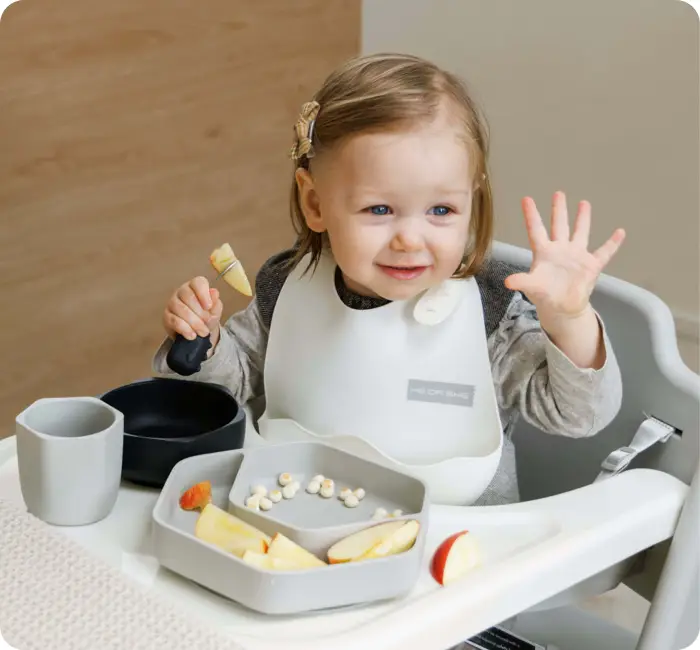
Introducing solid foods is an exciting step in your baby’s growth journey.
Around six months, babies can begin exploring pureed fruits, vegetables, and cereals.
Prečo je to dôležité: Solid foods provide essential nutrients for growth.
Čo môžete očakávať: Some babies may need several attempts before accepting new tastes.
How to Introduce Solids:
Start with single-ingredient purees.
Introduce new foods gradually and observe for allergic reactions.
At six months, your baby may begin grasping spoons or attempting to pick up small food pieces.
How to Support Self-Feeding:
Offer soft finger foods such as cooked carrots or banana slices.
Use baby-safe utensils to encourage independence.
By six months, your baby may begin developing more consistent sleep patterns.
Most babies will sleep for 6–8 hours straight at night with fewer awakenings.
How to Improve Sleep Patterns:
● Establish a calming bedtime routine that includes a warm bath, dim lighting, and soothing music.
Consistency helps babies fall asleep faster and sleep longer.
Tips for a Smooth Bedtime:
● Avoid stimulating activities before bed.
● Stick to the same bedtime each night to reinforce the routine.
Proactive engagement plays a crucial role in enhancing your baby's growth. By creating a stimulating environment, interacting frequently, and ensuring safety, you can support their development effectively. Here are detailed tips to help your baby thrive:
Playtime is essential for developing your baby’s motor skills, cognitive abilities, and social growth.
● Use Colorful Toys: Brightly colored toys with different textures capture your baby's attention and encourage exploration. Toys that crinkle, rattle, or have mirrors can stimulate their senses.
● Introduce Interactive Games: Simple games like peek-a-boo can teach your baby about object permanence — the understanding that objects still exist even when they’re out of sight. Similarly, stacking cups or shape sorters can improve their problem-solving skills and hand-eye coordination.
● Encourage Tummy Time: Tummy time strengthens your baby’s neck, back, and shoulder muscles, which are essential for rolling, sitting, and crawling.
Even before your baby speaks, they are learning language through interaction.
● Talk Throughout the Day: Narrate your actions, such as “I’m making your breakfast” or “Let’s put on your shoes,” to expose your baby to new words. This builds vocabulary and helps them associate sounds with actions.
● Read Books Together: Choose books with large pictures, bold colors, and simple text. Point to the images and describe them.
● Respond to Your Baby’s Sounds: Engage in “conversations” by imitating their babbling and responding with enthusiasm. This back-and-forth exchange strengthens language skills.
As your baby becomes more mobile, safety becomes a priority.
● Baby-Proof the House: Install outlet covers, secure furniture to walls, and add corner protectors on sharp table edges.
● Remove Choking Hazards: Small objects like buttons, coins, or beads should be kept out of reach.
● Establish Safe Play Zones: Create designated play areas with soft mats, ensuring there are no sharp objects or unstable furniture nearby.

While every baby develops at their own pace, there are signs that may indicate developmental delays. Early recognition and professional guidance can significantly improve outcomes.
Contact your pediatrician if your baby:
● Cannot roll over in either direction by six months.
● Does not respond to sounds, familiar voices, or their name.
● Shows little or no interest in reaching for objects or interacting with toys.
● Does not smile, babble, or make eye contact with caregivers.
If you’re concerned about your baby’s development, schedule a checkup with your pediatrician. Regular well-baby visits allow your doctor to track milestones and address concerns early. Pediatricians may recommend therapy, developmental screenings, or other interventions if needed.
By combining interactive play, regular communication, and a secure environment, you can create the ideal foundation for your baby’s growth while ensuring they reach their full potential.
Your baby’s sixth month is a remarkable time filled with growth and discovery. By understanding these milestones and supporting their development through play, communication, and love, you’ll help them thrive. Celebrate their achievements and remember that every baby develops at their own pace — patience and encouragement are key to nurturing their potential.
1. What should my 6-month-old be able to do physically?
By six months, most babies can:
● Roll over from tummy to back (and sometimes back to tummy).
● Sit upright with support and may attempt to sit independently.
● Reach for toys and pass objects between hands.
● Push up on their arms during tummy time.
If your baby hasn’t reached some of these milestones yet, remember that development varies — consistent encouragement and playtime can help.
2. How much should my 6-month-old sleep?
At six months, most babies sleep 10–12 hours at night with 1–3 naps during the day, totaling about 14–16 hours of sleep in 24 hours. Developing a consistent bedtime routine can improve sleep quality.
3. When should my baby start eating solid foods?
The American Academy of Pediatrics recommends introducing solid foods around six months. Start with pureed fruits, vegetables, or baby cereals. Gradually introduce new foods and monitor for allergies.
4. Is it normal if my 6-month-old isn’t babbling yet?
While many six-month-olds start babbling with sounds like “ba,” “da,” or “ma,” some may take longer. Engage your baby in conversation, repeat sounds they make, and read to them to encourage language development. If there’s no improvement by seven months, consider discussing this with your pediatrician.
5. How can I encourage my 6-month-old to sit up?
To help your baby strengthen their sitting muscles:
● Offer plenty of tummy time to build core strength.
● Place a Boppy pillow or cushion around them for support.
● Sit on the floor with your baby between your legs for added balance.
● Patience and practice are key — avoid forcing your baby to sit before they’re ready.
6. Why is my baby suddenly afraid of strangers?
By six months, babies start recognizing familiar faces, which can lead to stranger anxiety. This is a normal phase in emotional development. Encourage your baby to meet new people gradually, and stay close to provide comfort.
7. What should I do if my baby isn’t meeting milestones?
If your baby isn’t showing progress in key areas like motor skills, communication, or social interaction, consider discussing your concerns with a pediatrician. Early intervention can provide helpful strategies to support their development.
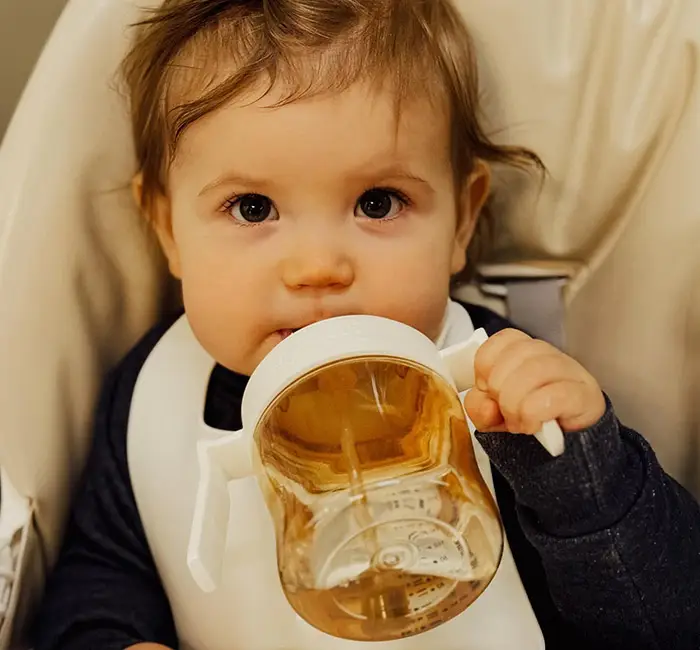
Naučte sa účinné tipy, ktoré pomôžu vášmu dieťaťu prejsť na hrnček na pitie. HEORSHE ponúka kvalitné riešenia s polyuretánovým vodeodolným povlakom, výrobca v Číne.

Naučte sa, kedy a ako dať dieťaťu piť z pohára, s tipmi od spoločnosti HEORSHE, čínskeho výrobcu polyuretánového vodeodolného náteru.
Zistite, ako môžu ryžové cereálie pomôcť vášmu dieťaťu so spánkom. HEORSHE, výrobca v Číne, sa tiež špecializuje na polyuretánové vodeodolné nátery.
 EN
EN
 AR
AR BG
BG HR
HR CS
CS DA
DA NL
NL FI
FI FR
FR DE
DE EL
EL HI
HI IT
IT JA
JA KO
KO NO
NO PL
PL PT
PT RO
RO RU
RU ES
ES SV
SV IW
IW ID
ID LV
LV LT
LT SR
SR SK
SK SL
SL UK
UK VI
VI ET
ET HU
HU TH
TH TR
TR FA
FA MS
MS BE
BE HY
HY AZ
AZ KA
KA MN
MN MY
MY KK
KK TG
TG UZ
UZ